The Free Money Tap Is Closing: How Japan's Rate Hike Will Shake the World
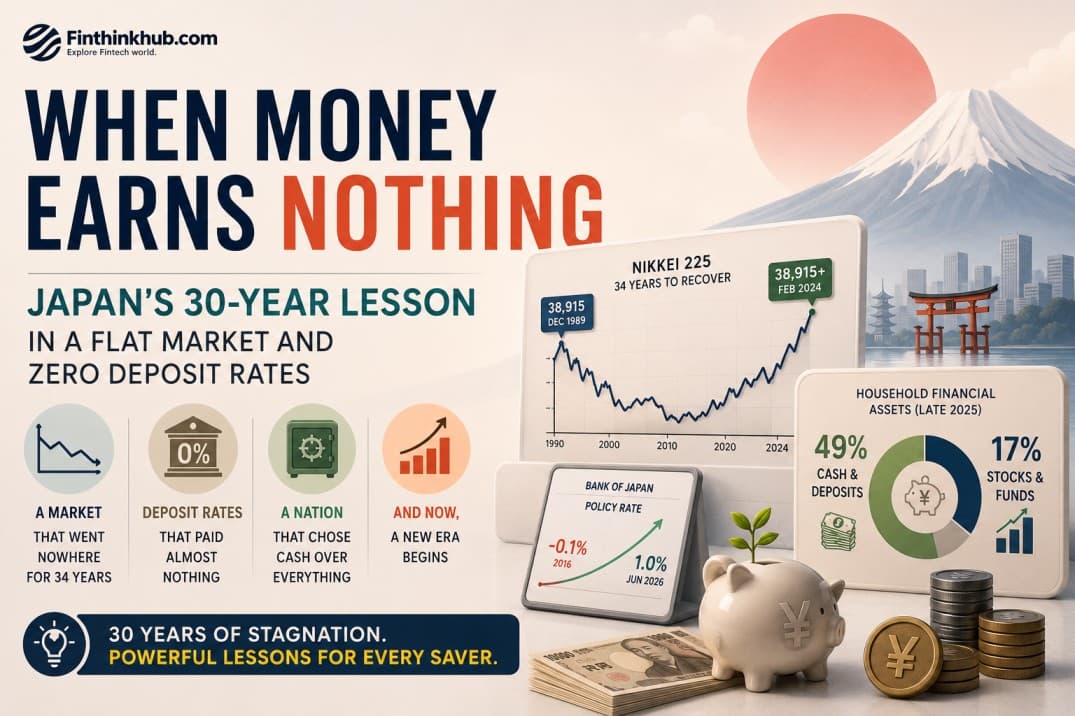
In the last article we saw how Japan lived with zero interest for thirty years, and how that long freeze taught a whole country to sit on cash. That story…
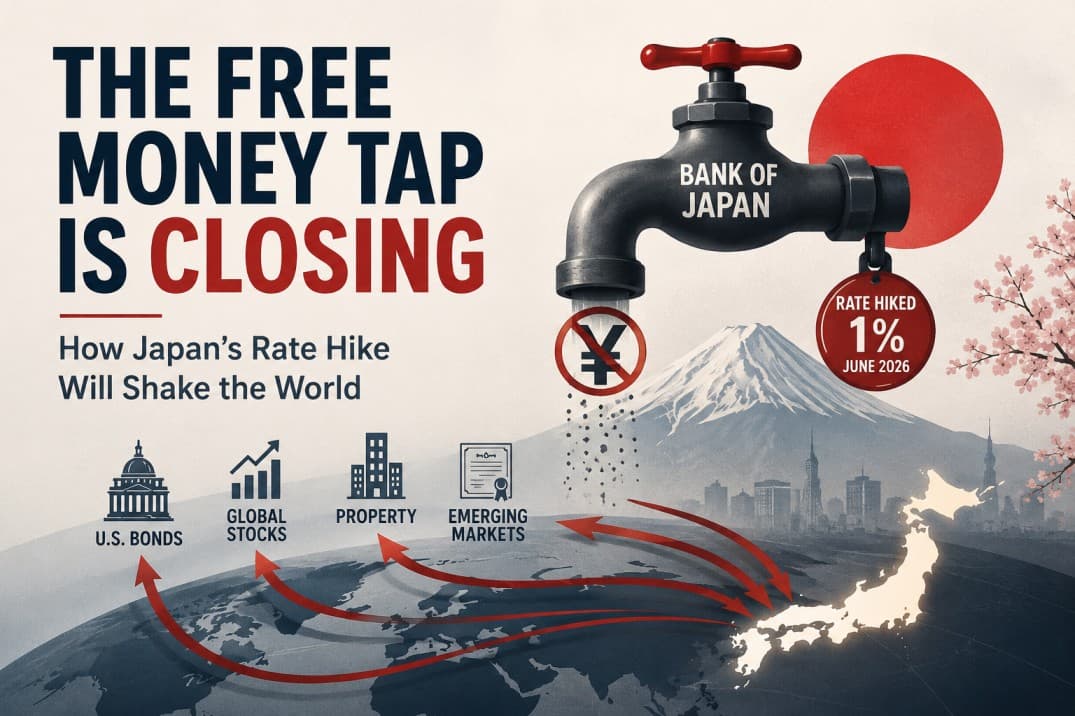
In the last article we saw how Japan lived with zero interest for thirty years, and how that long freeze taught a whole country to sit on cash. That story ended with a new chapter opening. The Bank of Japan has started raising rates again. This article is about that new chapter, and why it matters to you even if you have never bought a single Japanese share.
If you haven't read the article. Then, please read first: https://finthinkhub.com/blog/when-money-earns-nothing-japans-30-year-money-lesson
The world was running on Japanese money
Here is something most people do not know. For the last thirty years, Japan was quietly the world's cheapest money shop.
Think about it from a big investor's side. In Japan you could borrow money at almost zero percent. In America, government bonds were paying 4 to 5 percent. So the trade was simple. Borrow in yen for nearly free, change it to dollars, buy American bonds or shares, and pocket the difference. Traders call this the yen carry trade. In plain words, borrow from a friend who charges nothing and lend to someone who pays well.
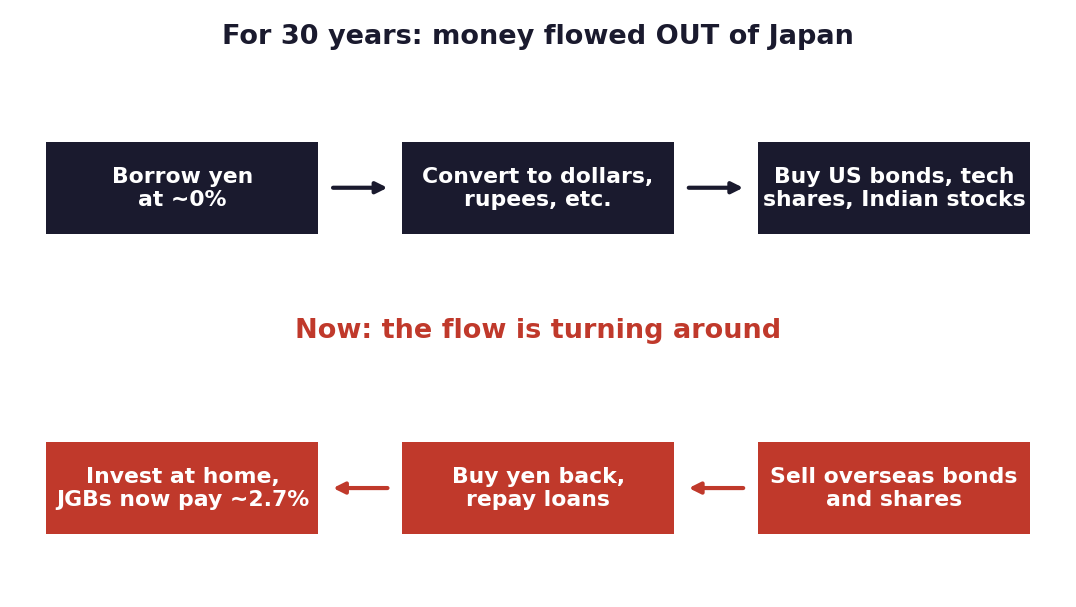
This was not small money. Trillions of dollars moved out of Japan this way over the years. Cheap Japanese money went into US government bonds, into American tech shares, into Indian stocks, into property in Australia, into bonds in Indonesia. Japan became the biggest foreign lender to the American government, holding around 1.2 trillion dollars of US bonds. That is more than China holds.
So a strange thing was true for decades. The savings of careful Japanese families, sitting in banks earning nothing, were quietly funding markets all over the world.
Then Japan changed the rules
Now that cheap money shop is closing its doors, one step at a time.
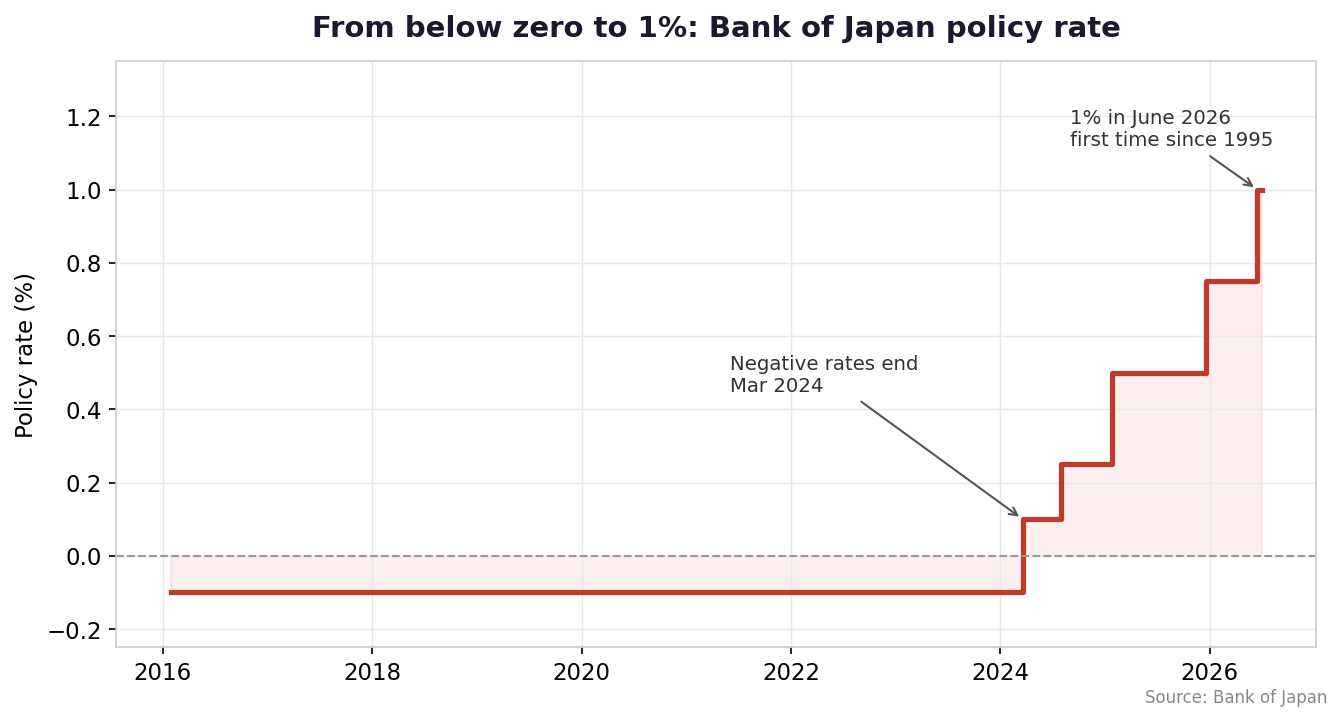
In June 2026 the Bank of Japan raised its policy rate to 1 percent. That number looks tiny, but Japan has not seen 1 percent since 1995.
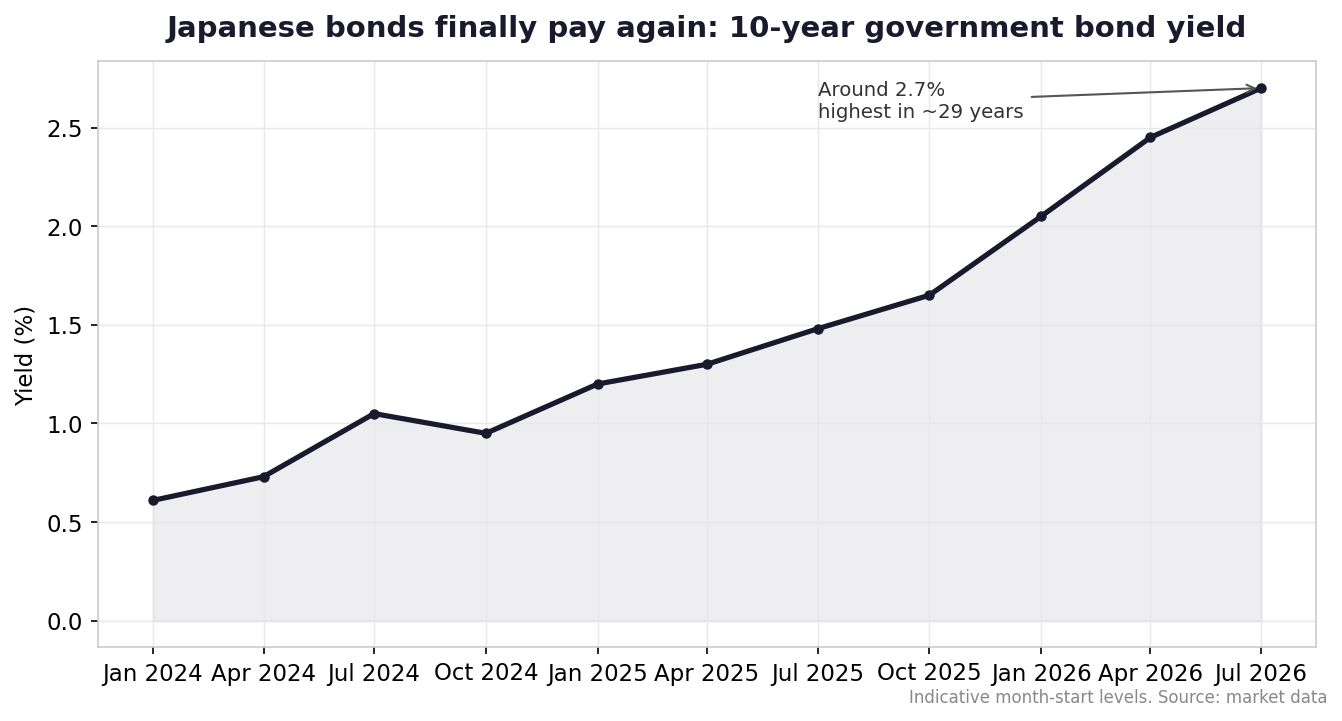
Japanese government bonds now pay around 2.7 percent for ten years, the highest in almost three decades. Even a plain bank deposit in Japan now pays something, after a lifetime of paying nothing.
This changes the maths of that big trade. Why should a Japanese pension fund take currency risk to buy an American bond when a safe bond at home finally pays a real return?
Japanese investors sold close to 30 billion dollars of US bonds in just the first three months of 2026, the fastest selling in four years. This is the yen carry trade unwind of 2026 in action. It is not panic. It is simply money going back to where it came from, because home finally pays.
Why the whole world feels it
When the world's biggest lender starts calling its money back, three things happen.
First, borrowing gets costlier everywhere. If Japan buys fewer US bonds, America has to offer higher interest to attract other buyers. Higher US bond yields push up home loan rates, company loan rates, and government borrowing costs across the world. The cheap money that kept global rates low for years is slowly being pulled out from under the table.
Second, the yen gets stronger, and that can shake stock markets. Everyone who borrowed yen must one day buy yen back to repay the loan. When many do it together, the yen jumps, and their whole trade starts losing money, so they rush to sell whatever they bought with that loan.
Third, money leaves emerging markets. Indian shares, especially the smaller ones, received a share of this cheap global money. As it goes home to Japan, foreign selling can rise, and the rupee can feel pressure. Not because anything is wrong with India, but because the lender wants his money back.
Japan rate hike impact on India
So what is the Japan rate hike impact on India? Do not panic. Read it as a weather forecast, not a flood warning. BOJ policy and Indian stocks are now connected in a way most retail investors never notice.
Japan will move slowly. It has a government debt of over 250 percent of its yearly income, so it cannot raise rates fast even if it wants to. This unwinding will likely play out over years, not weeks. But the direction is now clear, and the smart response is boring and simple.
Expect more shaky days. When markets fall suddenly on some random Tuesday with no Indian news to explain it, remember this article. The reason may be sitting in Tokyo.
Do not stop your SIP for it. Foreign money comes and goes, but Indian markets in the long run run on Indian earnings and Indian savings. In fact, every past round of foreign selling was absorbed by domestic SIP money, and those falls turned out to be decent entry points for patient investors.
The lesson under the lesson
Thirty years of free Japanese money made the whole world a little lazy. Cheap loans hid weak businesses, pushed up asset prices, and made risk feel free. That era is ending, slowly and politely, in true Japanese style.
The last article was about what happens when money earns nothing. This one is the flip side. When money starts earning something again, everyone who was enjoying it for free has to give it back. Japan's savers waited thirty years for this day. The rest of the world now has to learn to live without their interest free gift.
References
Responses (0)
Leave a response
Related Articles
When Money Earns Nothing: Japan's 30 Year Money Lesson
Think about a stock market that goes nowhere for thirty years. Now think about a bank that pays you almost no interest o…