The Core Components of the Banking as a Service Model (BaaS)
In a Banking as a Service (BaaS) model, multiple stakeholders play crucial roles, each with specific responsibilities. Here’s an overview of the key…
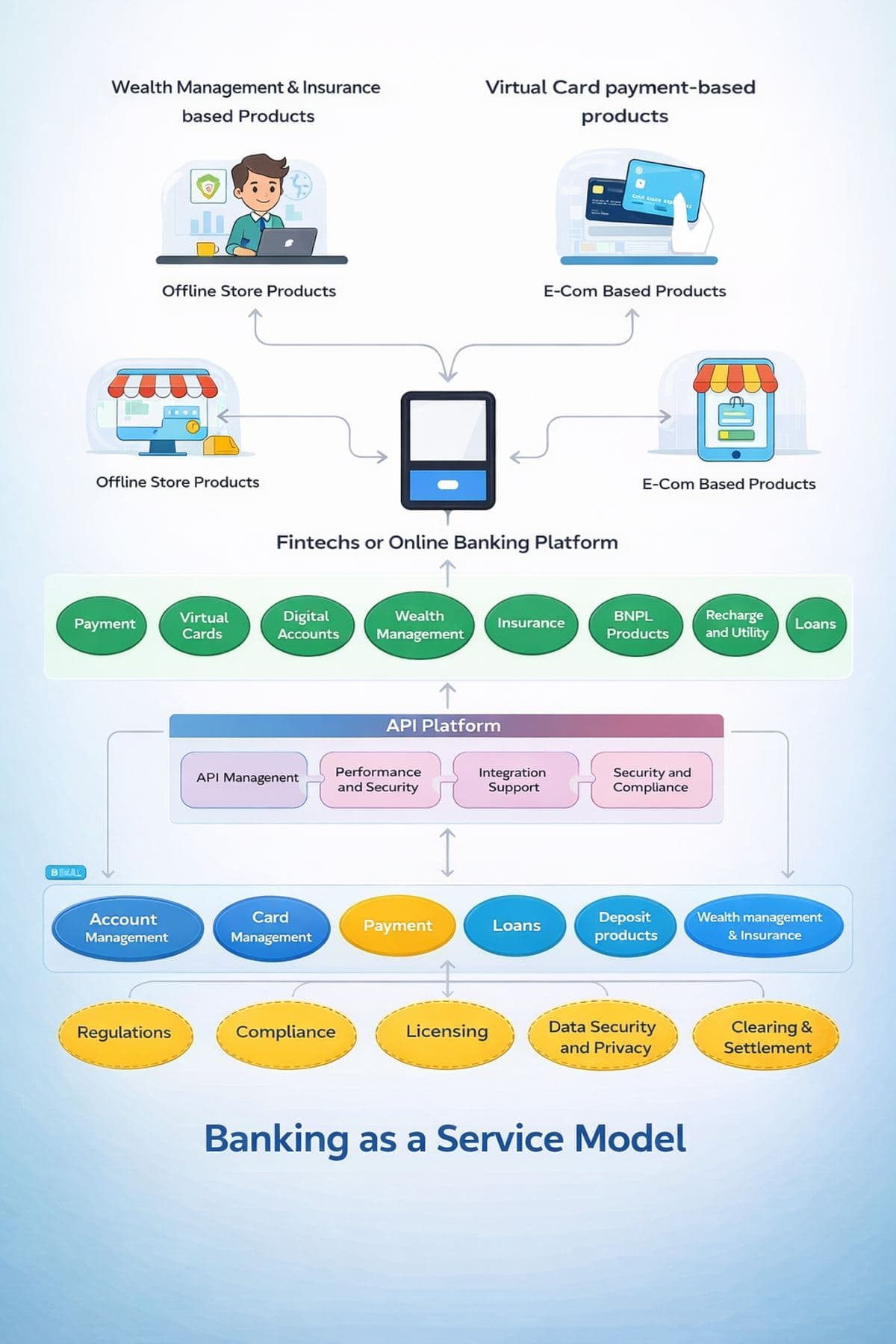
In a Banking as a Service (BaaS) model, multiple stakeholders play crucial roles, each with specific responsibilities. Here’s an overview of the key stakeholders and their roles.
Banks
Banks form the backbone of the Banking as a Service (BaaS) model, handling critical responsibilities such as regulatory compliance, licensing, and core banking operations. Key responsibilities of banks in the BaaS ecosystem include.
Managing regulatory licenses and ensuring compliance with legal and central bank (e.g. RBI) requirements.
Overseeing core banking services like lending, deposit management, and transaction processing.
Supporting the API platform with core banking services integration.
Ensuring the security and integrity of customer data and financial transactions to prevent fraudulent activities.
Managing risk and implementing risk management services to address potential issues and take appropriate actions when necessary.
API Platforms
In the BaaS model, the API platform plays a pivotal role in connecting banks with the external fintech companies and other third-party entities. The platform acts as the intermediary layer, which enable seamless integration of banking services with external world. The key responsibilities of the API platform in the BaaS model.
Manage the API infrastructure that connects banks and fintech providers which includes maintenances of lifecycle of APIs, version control, updates, and deprecations to ensure smooth integration for external entities.
Monitors API usage and performance, ensuring scalability and efficiency for high-volume transactions.
Implements robust security protocols, such as OAuth, encryption, and tokenization, to protect sensitive data and maintain user privacy
Provide Sandbox environment, documentation, and support to fintech companies for smooth integration.
Monitor and manage API usage, ensuring compliance with service level agreements (SLAs).
And, Offers analytics and reporting tools to track API performance, usage patterns, and customer behaviour.
Fintech Companies
In the BaaS model, fintech companies serve as the customer-facing layer and play major role in creating innovative financial products and services by leveraging the traditional banking infrastructure through API. The main focus on user experience, Innovation and adhering to regulation governed by Central bank.
Designs new financial products and services by integrating banking services like payments, lending, and account management through APIs.
Focus on creating user-friendly and customer-centric application that cater to specific market needs, such as digital banking or neo banking platforms.
Provides unified platform that address various financial needs like Insurance, wealth management, online & Offline purchase etc.
Responsible for customer acquisition for banks and manages customer escalations by providing on-going support.
Maintain the highest standards of security when handling sensitive customer data.
Build partnerships with non-banking entities like offline retail stores, e-com merchants to embed financial services into their ecosystem.
In the next article, we will explore the business use cases of the Banking as a Service (BaaS) model in greater detail. Feel free to reach out to me using the contact information below.
Responses (1)
- Yash18 Apr 2026
Nice Article
Leave a response
Related Articles
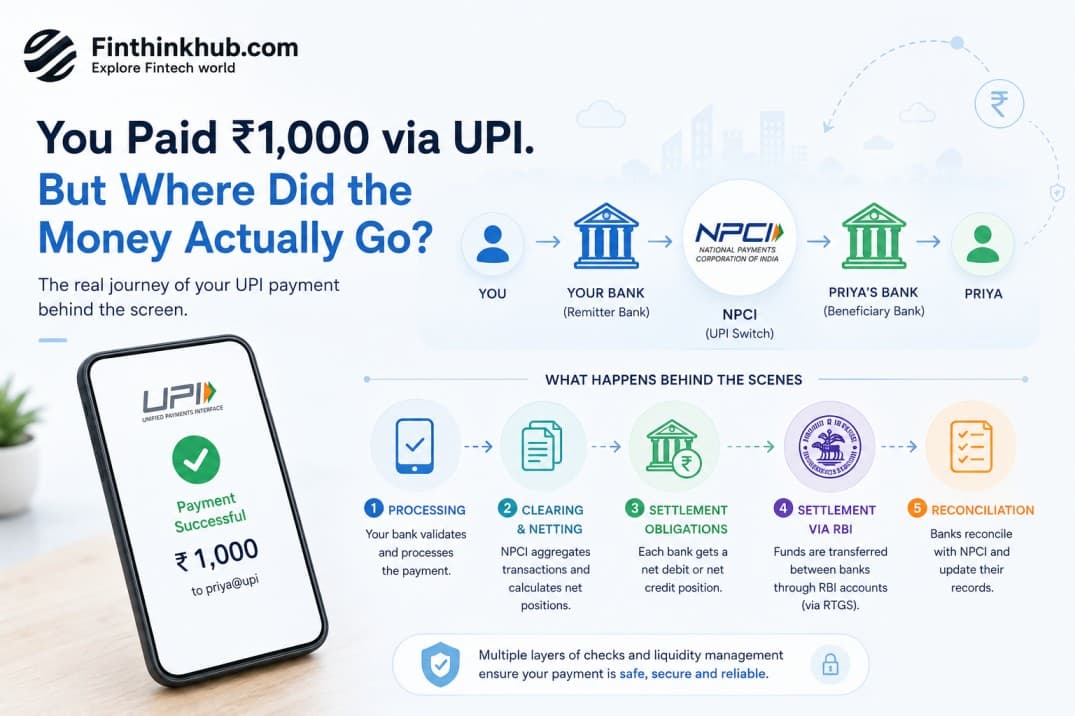
What Happens When You Send Money on UPI: A Complete Breakdown
You send ₹1,000 to Tarun who is your colleague in Noida on UPI. Your phone buzzes, the app shows a green tick, "Payment …
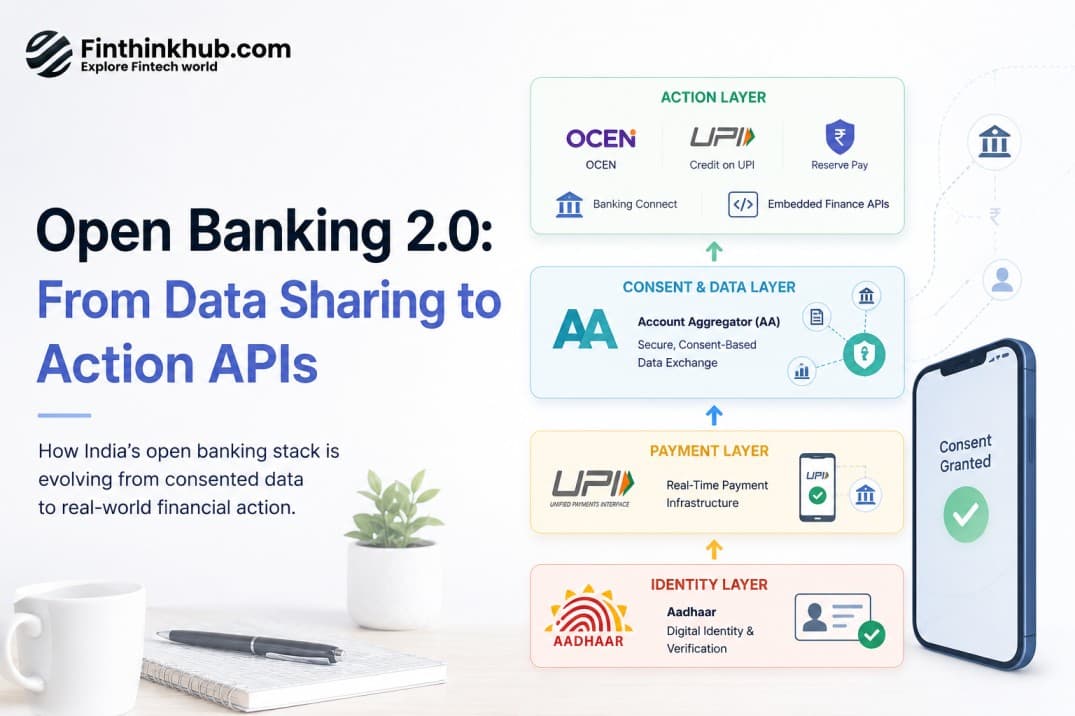
Open Banking 2.0: When APIs Stop Sharing Data and Start Taking Action
India has always built financial infrastructure in layers. Aadhaar gave every citizen a verifiable digital identity. UPI…
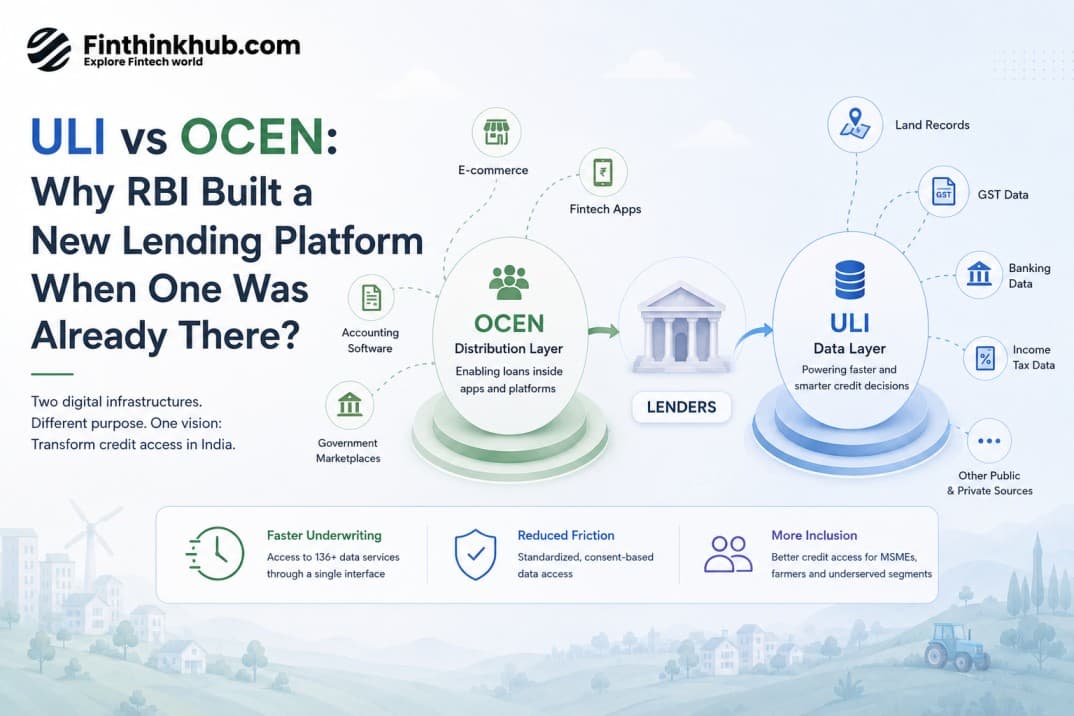
ULI vs OCEN: Why RBI Built a New Lending Platform When One Was Already There?
India has a interesting problem right now. We have not one but two digital systems trying to fix the same thing i.e. get…